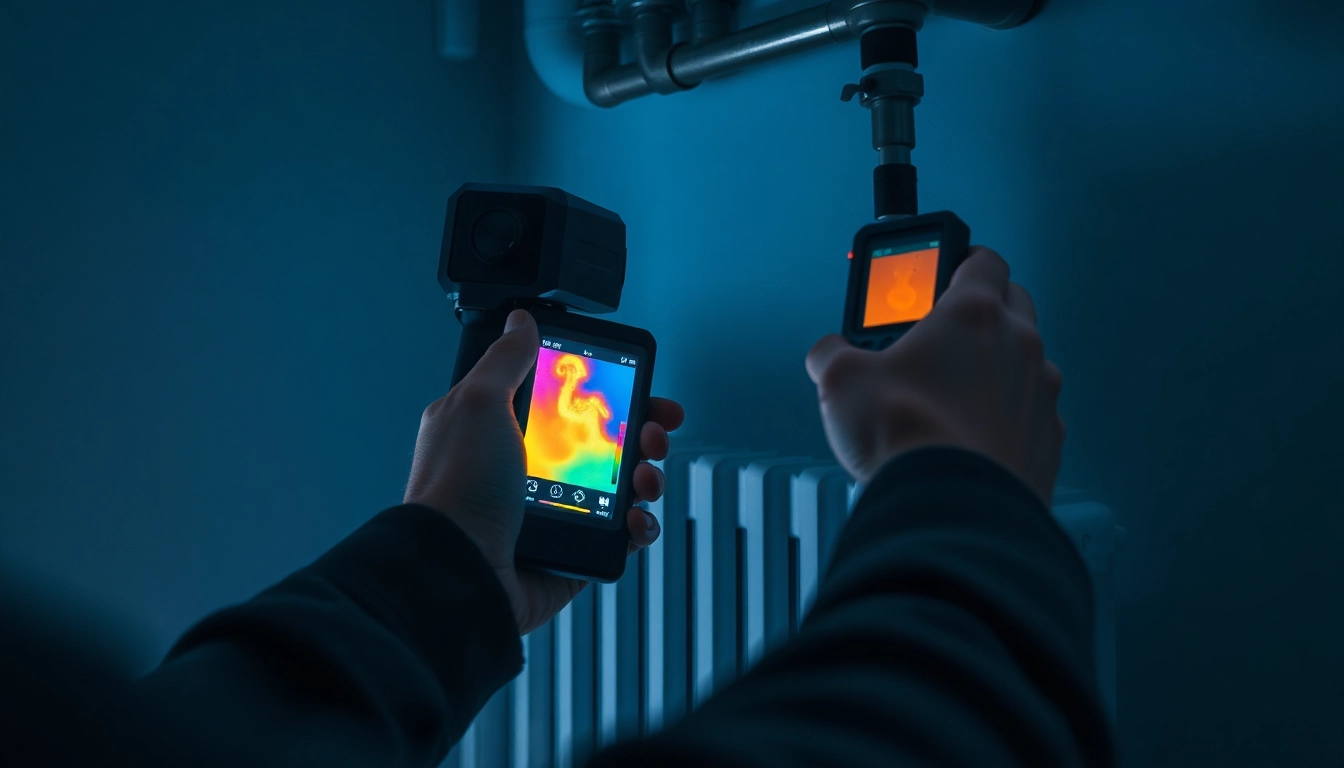
Understanding Power Flush: What It Is and Why It Matters
In the world of home maintenance, effective plumbing solutions are crucial to ensuring the longevity and efficiency of a household’s systems. One such solution is the power flush, a vital procedure for maintaining a central heating system. This technique not only improves energy efficiency but also extends the lifespan of heating components. With its ability to remove buildup and restore optimal water flow, understanding the nuances of a power flush is essential for homeowners looking to enhance their heating systems and prevent costly repairs.
Definition of Power Flush in Leak Detection
A power flush is a specialized cleaning process designed to remove sludge, rust, and other debris from a central heating system. By using high-velocity water flow, this method effectively dislodges contaminants that can hinder proper system function. When performed periodically, a power flush helps maintain efficient circulation of water, ensuring that every radiator heats evenly and reduces the risk of boiler failure. This process is especially critical in homes with older heating systems, where sediment accumulation is more common.
Benefits of Power Flush for Homeowners
- Improved Heating Efficiency: A clean system heats more rapidly and evenly.
- Reduced Energy Costs: Less buildup means less strain on the boiler, leading to lower energy bills.
- Extended Boiler Lifespan: Regular flushing prevents damage and extends the life of your heating system.
- Fewer Repairs: Removing debris can minimize the risk of breakdowns and repairs.
- Enhanced Comfort: Ensures consistent heating throughout your home.
Common Misunderstandings about Power Flush
Many homeowners may confuse a power flush with regular maintenance or believe it is simply an extravagant expense. However, the truth is that neglecting this procedure can lead to more severe issues and greater costs in the long run. Moreover, some might think that they can effectively clean their systems without professional help, but the complexity of modern heating systems often makes professional intervention necessary for optimal results. Understanding these distinctions can help homeowners appreciate the value of a power flush.
The Science Behind Power Flush Techniques
Understanding how a power flush works within the context of a heating system can demystify its importance. This high-tech cleaning method employs several sophisticated techniques to ensure thorough cleaning and restoration of your central heating system.
How Power Flush Works with Central Heating Systems
The process involves connecting a power flushing machine to your heating system, which pushes water through the pipes at a high velocity. This powerful flow dislodges the accumulated sludge and debris, allowing it to be safely removed from the system. The effectiveness of a power flush lies in its ability to cleanse even the most stubborn blockages that traditional cleaning methods may miss.
Key Technologies Used in Power Flushing
- Power Flushing Units: Machines specifically designed to pump water and cleaning agents through the heating system.
- Cleaning Chemicals: Special additives that help dissolve sludge and rust deposits.
- Magnetic Filters: Installed in systems post-flush to capture future debris and prevent buildup.
Assessing the Effectiveness of Power Flush
Evaluating the results of a power flush is crucial. Homeowners should look for signs of improved system performance, such as even radiator temperatures and reduced noise levels from the boiler. Additionally, obtaining a detailed report from the service provider can help assess the before-and-after conditions of the heating system.
When to Consider a Power Flush
Recognizing when to schedule a power flush can prevent larger issues down the line. If you’re unsure about the current condition of your heating system, it might be time for a thorough inspection.
Signs You Need a Power Flush
- Cold spots on radiators
- Noisy heating system
- Frequent boiler breakdowns
- Radiator takes a long time to heat up
Comparing Power Flush with Other Leak Detection Methods
While a power flush is an effective cleaning method, it is not a replacement for leak detection. Many times, leaks can cause similar symptoms to buildup, such as uneven heating or increased energy bills. Therefore, integrating a power flush with professional leak detection services enhances overall system maintenance and efficiency. For example, if you are looking for a reliable service, power flush offers comprehensive insights that can guide your decision-making process.
Cost Analysis: Is a Power Flush Worth It?
The cost of a power flush can vary significantly based on the size of the property and the complexity of the heating system. Generally, homeowners can expect to pay between £300 and £800. However, this investment often pays off through reduced energy bills and fewer repair costs in the long run. Weighing the upfront costs against potential savings is crucial for homeowners considering this maintenance procedure.
Conducting a Power Flush: Step-by-Step Guide
To achieve the best results from a power flush, there are several key steps to follow that ensure the process is effective and safe for your heating system.
Preparing Your Home for a Power Flush
- Informing the household about the procedure and expected duration.
- Clearing any areas around radiators and pipework to allow access.
- Turning off the heating system prior to the service.
Professional vs. DIY Power Flush: Pros and Cons
While some homeowners may consider a DIY approach to power flushing, the complexity of modern systems often necessitates professional expertise. Professionals bring specialized equipment, experience, and the ability to diagnose additional issues during the process. On the other hand, a DIY flush may save costs but could lead to incomplete cleaning or even damage to the system if not done correctly. It is crucial to weigh these factors carefully.
Reporting and Follow-Up After a Power Flush
After the procedure, obtaining a comprehensive report detailing the findings and any recommended follow-ups is essential. This report typically includes information about sludge removed, the condition of the system, and any further actions needed to maintain efficiency.
Future Trends in Power Flush Technologies
As technology continues to evolve, so do the methods and tools used in power flushing. Keeping an eye on these advancements can help homeowners stay informed about the best practices for maintaining their systems in the future.
Innovative Tools and Methods for 2025
Emerging technologies are being developed to enhance the efficiency and effectiveness of power flushing. For instance, smart systems that monitor sludge levels in real-time could soon be available, providing timely alerts for when a power flush is necessary.
Eco-Friendly Power Flush Solutions
Increasingly, homeowners are looking for environmentally friendly options. Future power flushing methods are likely to incorporate biodegradable cleaning agents and water-saving technologies, ensuring effective cleaning while minimizing environmental impact.
The Role of Power Flush in Sustainable Home Maintenance
In a world focused on sustainability, the role of power flushing is set to grow. By maintaining efficient heating systems, homeowners can reduce energy consumption, contributing to a lower carbon footprint. Regular power flushing not only enhances system efficiency but also aligns with eco-conscious household practices.