
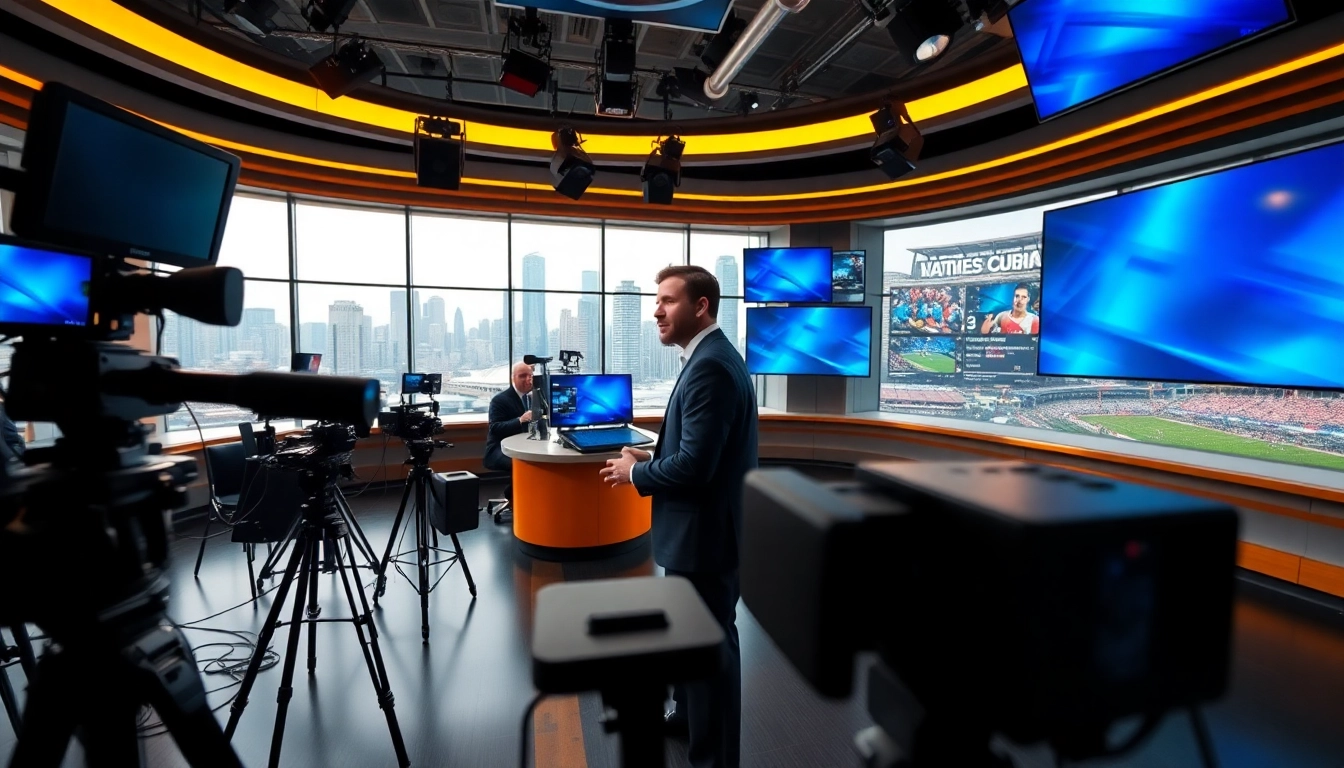
Understanding the Basics of Sports Broadcasting
What is Sports Broadcasting?
Sports Broadcasting refers to the transmission of live or pre-recorded sporting events through various media channels. This field encompasses television, radio, and online platforms. The role of a sports broadcaster is to deliver game commentary, provide analysis, and engage viewers—essentially, to create a captivating viewing experience. As sports have become increasingly accessible, the significance of Sports Broadcasting has escalated, catering to the growing audience that consumes sports content anytime, anywhere.
Key Elements in Sports Broadcasting
Understanding sports broadcasting involves recognizing its critical components:
- Commentary: The voice that brings a game to life. It provides play-by-play descriptions and post-game analyses.
- Production Quality: High-definition broadcasts, sound quality, and camera angles have a profound impact on viewer engagement.
- Content Delivery: How and when content is distributed affects viewership greatly, from live programming to highlights.
- Audience Interaction: Engaging with fans through social media and on-screen features enriches the overall experience.
Historical Evolution of Sports Broadcasting
The evolution of sports broadcasting has been intriguing. It began with radio broadcasts in the early 20th century, then transitioned to television, which revolutionized the way fans experienced sports. The digital age introduced streaming services, further diversifying how audiences consume sports content. Each enhancement reflects technological advancements and shifts in viewer preferences, leading us to today’s multi-platform approach that provides real-time access to sports events.
Technologies Shaping Sports Broadcasting
The Role of Streaming in Sports Broadcasting
Streaming technology has reshaped sports broadcasting. It allows fans to watch live events on various devices without the constraints of traditional cable services. Services like OTT (Over-the-Top) platforms have become crucial, enabling fans to subscribe to specific leagues or teams. The flexibility and accessibility offered by streaming have attracted a younger audience, fundamentally altering the broadcasting landscape and necessitating adaptations from traditional broadcasters.
Advancements in Audio and Visual Technologies
Today’s technological innovations—such as 4K resolution, augmented reality (AR), and high-end audio systems—have dramatically enhanced the viewing experience. Features like instant replay and drone camera coverage offer viewers perspectives that were once impossible, immersing them deeper into the action. These advancements not only increase audience enjoyment but also boost engagement across platforms.
Future Trends in Broadcast Technologies
The future of sports broadcasting promises even more growth and change. Emerging technologies such as virtual reality (VR) and artificial intelligence (AI) will allow for personalized viewing experiences. AI can help in analyzing game statistics in real-time, while VR could enable fans to “sit” in virtual stadiums. Such innovations will likely redefine the concept of live sports consumption, paving the way for unique interactions that extend beyond the traditional viewing experience.
Engaging Your Audience in Sports Broadcasting
Strategies for Enhancing Viewership
Enhancing viewership is essential for sustained success in sports broadcasting. Strategies include:
- Target Demographics: Understanding viewer preferences helps tailor content for specific audiences.
- Enhanced Storytelling: Engaging narratives about players or teams can deepen audience connections.
- Cross-Promotion: Collaborations between broadcasters and popular influencers can draw new viewers.
The Importance of Social Media Integration
Social media serves as a significant tool for modern broadcasters. It facilitates real-time interaction with audiences, providing updates, highlights, and engaging content that promotes viewer loyalty. Integrating social media into broadcasts not only enhances viewer engagement but also attracts younger audiences who expect interactive experiences that correlate with their media consumption habits.
Creating Interactive Viewing Experiences
Interactive viewing experiences, such as live polls or Q&As, foster greater viewer participation during broadcasts. Utilizing options like picture-in-picture allows fans to see multiple perspectives at once or keep up with stats while watching. Additionally, integrating fantasy sports elements or gamification can also deepen audience involvement, turning passive viewers into active participants.
Challenges in Sports Broadcasting
Addressing Legal and Copyright Issues
Legal challenges are a major concern in sports broadcasting, especially regarding rights management. Broadcast rights can be complex, often involving various stakeholders from leagues to platforms. Navigating these agreements requires expertise and diligence to ensure compliance and avoid penalties. Sports broadcasters must also stay updated with changing laws related to digital media and broadcasting.
Managing Broadcast Timings and Scheduling
Effective scheduling remains a critical challenge. Factors such as time zone differences, conflicts with other events, and unexpected delays can disrupt broadcast plans. To manage these issues, broadcasters need to maintain a flexible approach, possibly incorporating contingency plans and using analytics to optimize scheduling based on viewer patterns and preferences.
Technical Challenges in Live Broadcasting
Technical difficulties during live broadcasts, such as connectivity issues or equipment failures, can seriously impact viewer experience. To mitigate these risks, broadcasters should invest in high-quality equipment, employ robust backup systems, and conduct thorough rehearsal broadcasts to prepare teams for potential failures. Regular maintenance of transmission networks also helps prevent technical malfunctions.
Metrics for Measuring Success in Sports Broadcasting
Key Performance Indicators (KPIs) in Broadcasting
Measuring success in sports broadcasting requires a thorough understanding of Key Performance Indicators (KPIs). These may include metrics like viewer ratings, audience engagement levels, and advertising revenue. Monitoring these KPIs offers insights into what’s working and helps identify areas of improvement, allowing operators to tailor their content more effectively to viewer demands.
Analyzing Audience Metrics for Improvement
In-depth analysis of audience metrics provides broadcasters with valuable insights into viewer behaviors and preferences. Tools like heat maps and engagement graphs can reveal when viewers tune out and what content resonates most. This data-driven approach helps inform future broadcasts, enabling more effective targeting and programming decisions.
Utilizing Feedback for Future Enhancements
Gathering and analyzing viewer feedback plays a crucial role in continuous improvement. Surveys, social media comments, and real-time engagement metrics can all provide constructive criticism. By addressing viewer concerns and suggestions, broadcasters can enhance the viewing experience, ensuring that they remain competitive in a rapidly evolving industry.
FAQs
What are the primary platforms used in sports broadcasting?
Sports broadcasting utilizes various platforms including traditional television, radio, and increasingly popular streaming services that allow on-demand viewing.
How do broadcasters make money from sports?
Broadcasters generate revenue through advertising, sponsorships, and subscription fees from viewers who pay for premium content or services.
What impact has streaming had on traditional broadcasting?
Streaming has revolutionized access to sports by offering flexibility, leading traditional broadcasters to adapt with new programming strategies and multi-platform approaches.
How important is audience engagement for broadcasters?
Audience engagement is crucial for broadcasters, as it directly influences viewership numbers, advertising revenue, and overall success in content delivery.
What are some common challenges faced in sports broadcasting?
Common challenges include legal issues around broadcasting rights, managing scheduling conflicts, and technical difficulties during live broadcasts.