









Understanding Local Computer Disposal
What is Local Computer Disposal?
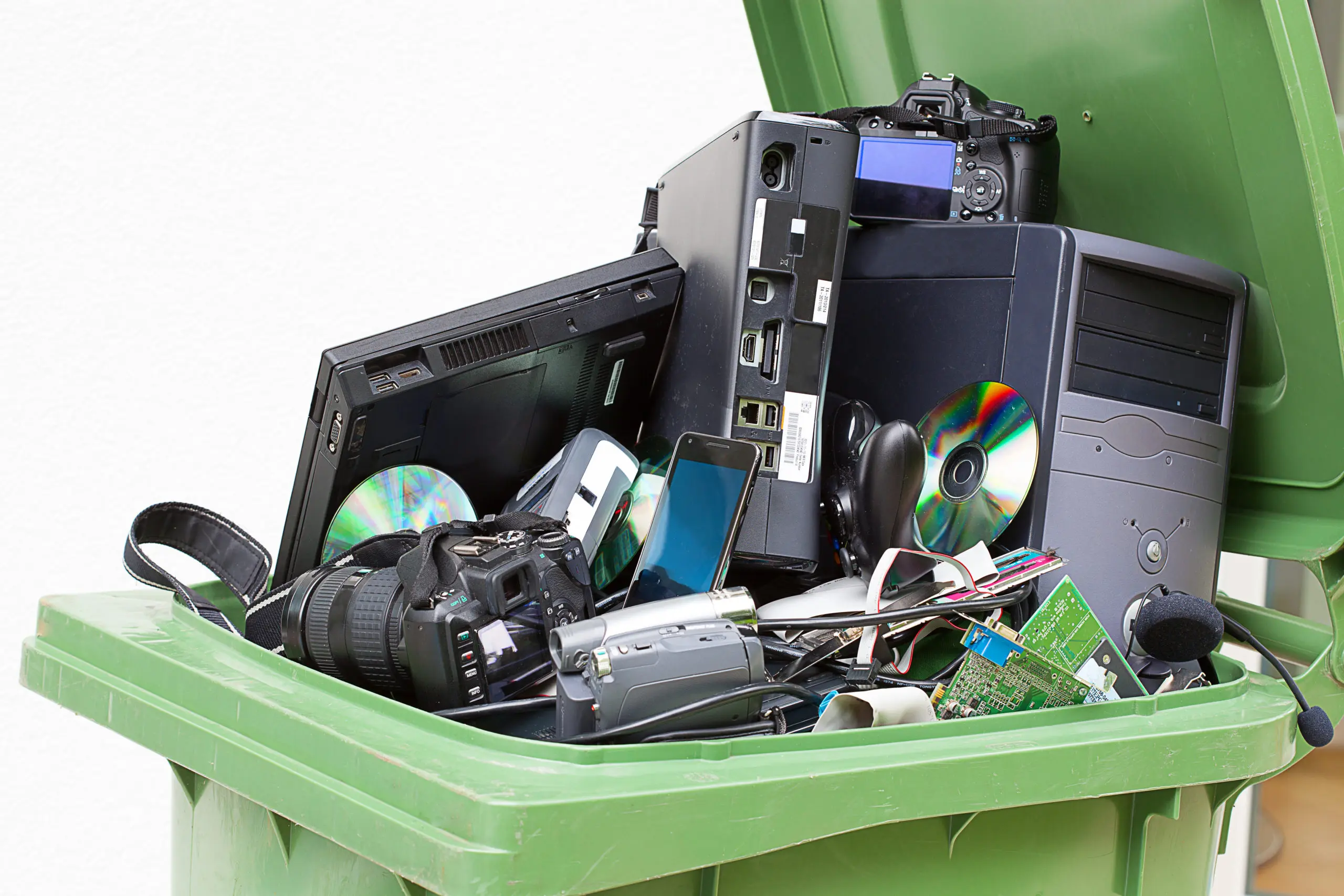
Local computer disposal refers to the process of responsibly discarding or recycling computers and other electronic devices within a community. It involves various methods of managing electronic waste (e-waste) to ensure it doesn’t harm the environment or public health. This can include donating, recycling, or using designated e-waste disposal facilities.
Importance of Responsible Disposal
The necessity of responsible disposal cannot be overstated. Electronic devices contain materials like lead, mercury, and cadmium, which can be harmful if released into the environment. By engaging in local computer disposal, individuals contribute to reducing the amount of e-waste in landfills, promoting environmental sustainability, and ensuring that hazardous materials are treated correctly. Finding local resources for proper disposal, such as local computer disposal, helps minimize these impacts.
Common Misconceptions about Disposal Methods
Many people hold misconceptions about how to dispose of their old electronics. One common belief is that simply throwing old computers in the trash is acceptable. In reality, this practice can lead to serious environmental consequences. Another myth is that all recycling centers follow eco-friendly practices, while in truth, some lack effective methods for processing e-waste properly. Educating oneself about local regulations and options is essential for making informed decisions.
Choosing the Right Recycling Center
Factors to Consider When Selecting a Center
When searching for a recycling center, consider its location, reputation, and the types of services offered. Check if the facility complies with local and national electronic waste disposal regulations. Reading reviews and assessing community feedback can also provide insight into the center’s reliability and trustworthiness.
Services Offered by Local Centers
Different recycling centers offer various services. Some may provide free drop-off options, while others might allow for pick-up services for bulk items. Additionally, many centers offer data destruction services, ensuring that sensitive information is adequately erased and preventing possible identity theft. Knowing what services are available helps individuals choose the most suitable center for their needs.
Evaluating Environmental Compliance
It’s crucial to ensure that the recycling center adheres to environmental regulations. Look for certifications like the Responsible Recycling (R2) certification or e-Stewards certification, which indicate adherence to responsible recycling practices. Compliance with these standards shows that the facility takes its environmental responsibilities seriously, providing peace of mind to individuals looking to dispose of their devices responsibly.
Steps for Proper Local Computer Disposal
Preparing Your Computer for Disposal
Before disposing of your computer, adequately prepare it to ensure all personal information is safeguarded. Start by backing up important files and then performing a factory reset. This step erases all data from the device, making it more difficult for unauthorized individuals to retrieve sensitive information. Additionally, physically removing the hard drive for separate disposal can provide extra security.
Finding Reliable Drop-off Locations
Finding a reliable drop-off location is essential for effective local computer disposal. Use local resources, such as municipal websites, to locate approved e-waste centers in your area. Some communities hold periodic electronics recycling events, which are a great opportunity to dispose of multiple items safely. Always check the center’s operational hours before visiting.
Utilizing Pickup Services Effectively
If you have numerous items or heavy equipment that is difficult to transport, consider utilizing a pickup service. Many recycling centers offer scheduled pickups for larger volumes of e-waste. Be sure to confirm the types of items they accept during the pickup and ensure they follow responsible recycling practices. This adds convenience and ensures that your equipment is disposed of correctly.
Understanding E-Waste Impact
Environmental Consequences of Improper Disposal
Improper disposal of e-waste can lead to significant environmental issues. Toxic substances from electronics can leach into soil and water systems, contaminating ecosystems. Additionally, e-waste can contribute to the growing problem of air pollution when incinerated. By contrast, responsible recycling can lead to the recovery of valuable materials and a reduction in pollution.
Legal Regulations Surrounding Electronics
Many regions have established laws regarding the proper disposal of electronic waste. These regulations often set guidelines for manufacturers and consumers to ensure that e-waste is handled responsibly. Understanding these laws can help individuals comply and contribute to environmental conservation efforts. Knowing your legal obligations about e-waste disposal can safeguard against possible penalties.
Community Efforts to Promote Responsible Disposal
Communities often take initiative to promote responsible e-waste disposal through educational programs and events. Local organizations may hold seminars about recycling and the impacts of e-waste on the environment. Engaging in these community efforts not only aids individual understanding but also fosters a collective responsibility toward environmental stewardship.
Frequently Asked Questions about Local Computer Disposal
How can I recycle my old computer?
You can recycle your old computer by locating a local recycling center, utilizing curbside pickup services, or participating in community recycling events. Ensure the facility follows responsible e-waste disposal practices.
What happens to computers after disposal?
After disposal, computers are either refurbished for reuse or dismantled for parts. Important components are recycled, and hazardous materials are disposed of safely, preventing environmental contamination.
Are there fees for local computer disposal?
Many local recycling centers offer free disposal services for computers. However, some facilities may charge fees for certain items or specialized services, such as data destruction. Always inquire ahead.
Can I donate my old computer instead?
Yes, donating your old computer is a great option if it’s still functional. Many non-profits and schools accept donations that can be beneficial to those in need, promoting reuse.
What should I do with sensitive data on my computer?
Before disposal, erase all sensitive data using a factory reset or data-wiping software. Alternatively, you can physically remove the hard drive and destroy it to ensure data security.