








Understanding Roof Insulation Removal
What is Roof Insulation?
Roof insulation refers to materials installed in the roof space to minimize heat loss during winter and heat gain during summer, promoting energy efficiency in homes and buildings. Common types include fiberglass batts, cellulose, spray foam, and radiant barriers. These materials work by trapping air, which acts as an insulator, preventing outside temperatures from affecting the indoor climate.
Why Hire a Roof Insulation Removal Company?
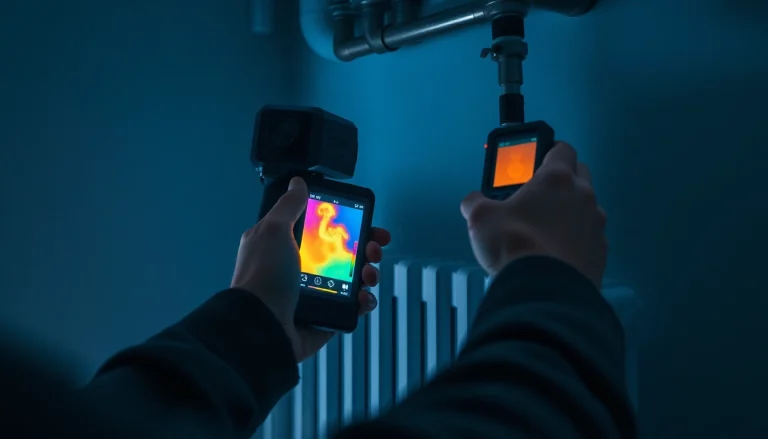
Removing old and ineffective insulation is essential for maintaining energy efficiency and indoor air quality. A specialized roof insulation removal company not only ensures efficient removal but also identifies underlying issues such as moisture damage or pest infestations. By hiring professionals, homeowners can avoid potential health risks associated with DIY removals and ensure compliance with safety regulations.
Signs You Need Roof Insulation Removal
- Visible signs of wear, such as sagging or torn insulation materials.
- Increased energy bills indicating poor insulation performance.
- Moisture damage or mold growth detected in the attic or ceiling.
- Unpleasant odors or presence of pests, such as rodents or insects.
- Temperature inconsistencies between rooms in your home.
Choosing the Right Company
Key Qualities of a Reliable Roof Insulation Removal Company
When selecting a roof insulation removal company, look for these key attributes:
- Experience: A company with a solid track record in insulation removal typically offers better services.
- Certifications: Proper licensing and certifications indicate adherence to industry standards and best practices.
- Insurance: Liability insurance protects homeowners against potential damages during the removal process.
- Customer Reviews: Positive feedback and testimonials from previous clients reflect the company’s reliability and quality of work.
- Transparent Pricing: A reputable company provides clear quotes without hidden fees, ensuring that homeowners know exactly what they are paying for.
Questions to Ask Before Hiring
Before entrusting your roof insulation removal to a company, consider asking the following:
- What is the estimated timeline for the removal process?
- How will you ensure safety during the operation?
- Can you provide references from past clients?
- What type of insulation removal methods do you employ?
- Will you conduct a thorough inspection before and after the removal?
How to Evaluate Company Credentials
To ensure that a roof insulation removal company is credible, verify the following credentials:
- Licensing: Check if they hold the necessary local and national licenses for insulation removal.
- Certifications: Industry certifications from recognized organizations reflect professionalism and expertise.
- Insurance Policies: Confirm that they have liability insurance and worker’s compensation coverage.
- Reviews and Ratings: Search for reviews on platforms like Google, Yelp, or Trustpilot to gauge customer satisfaction.
The Removal Process Explained
Step-by-Step Overview of Insulation Removal
Understanding the removal process can help alleviate concerns. Here is a comprehensive step-by-step overview:
- Initial Assessment: Professionals conduct an inspection to identify insulation type and condition.
- Preparation: The work area is cleared, and safety equipment is put in place to protect workers and your property.
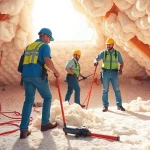
- Removal of Old Insulation: Technicians carefully remove the insulation using specialized tools to minimize dust and debris.
- Disposal: Proper disposal protocols are followed, ensuring that the old materials are removed safely and responsibly.
- Post-Removal Cleanup: The area is cleaned, and a final inspection is conducted to ensure no leftover materials remain.
Safety Protocols During Insulation Removal
Safety is paramount during roof insulation removal. Companies follow strict protocols, which include:
- Protective Gear: Workers wear personal protective equipment (PPE) like gloves, masks, and goggles to protect against dust and allergens.
- Ventilation: Ensuring proper ventilation to avoid inhalation of harmful particles during the removal process.
- Training: Workers are trained in safe handling techniques and emergency procedures to manage any unforeseen events.
- Site Management: Establishing barriers and warning signs around the work area to protect inhabitants and pets from hazards.
Tools and Equipment Used by Professionals
Professional roof insulation removal requires specific tools and equipment to ensure efficiency and safety:
- Insulation Blowers: Used to expel loose-fill insulation from cavities in an efficient manner.
- Shop Vacuums: Heavy-duty vacuums for capturing dust and small particles during the removal process.
- Hand Tools: Including utility knives and pry bars for manual removal of batts and other types of insulation.
- Protective Equipment: PPE such as respirators, gloves, and coveralls to ensure worker safety.
Post-Removal Considerations
What to Expect After Insulation Removal
Upon completion of the insulation removal process, several outcomes can be expected:
- Improved Air Quality: With the removal of old insulation, which may harbor mold, allergens, or pests, the overall air quality in the home is likely to improve.
- Energy Efficiency Evaluation: Homeowners may notice a decrease in energy consumption after re-insulating with more effective materials.
- Structural Review: A thorough inspection of the roof structure can reveal any underlying issues that may need addressing.
Options for New Insulation Installation
After removing the old insulation, homeowners have several options for new insulation materials, including:
- Spray Foam: Offers superior sealing and insulation value, reducing air leaks.
- Fiberglass Batts: An affordable and common option, although less efficient than foam.
- Cellulose: Made from recycled paper, providing good insulation and a sustainable choice.
- Mineral Wool: Offers excellent fire resistance alongside good thermal performance.
Maintenance Tips for Your Roof Insulation
Once new insulation is installed, maintaining its performance is essential. Here are some useful maintenance tips:
- Regularly check for moisture or leaks that could damage insulation materials.
- Inspect ventilation systems to ensure they are functioning correctly.
- Conduct periodic inspections in the roof space to catch potential issues early.
- Avoid storing items in the attic that could compress or damage the insulation.
FAQs About Roof Insulation Removal
How long does the insulation removal process take?
The duration of insulation removal can vary based on the size and type of the roof but typically occurs within a few hours to a full day.
Is it safe to remove insulation myself?
Unless you have proper training and safety equipment, it is not advisable to remove insulation without professional help due to health risks and safety concerns.
What types of materials are commonly removed?
Commonly removed insulation materials include fiberglass batts, cellulose, spray foam, and mineral wool, especially when they are damaged or insufficient.
Are there any health risks associated with insulation removal?
Yes, health risks include exposure to dust, mold, and rodents, which can lead to respiratory issues and other health problems without proper precautions.
How do I determine if my insulation needs to be replaced?
If you notice signs like sagging insulation, increased energy bills, or moisture damage, it’s advisable to evaluate your insulation and consider replacement.